SERVING THE GREATER NEW YORK CITY AREA
CALL US TODAY: 646.455.3321

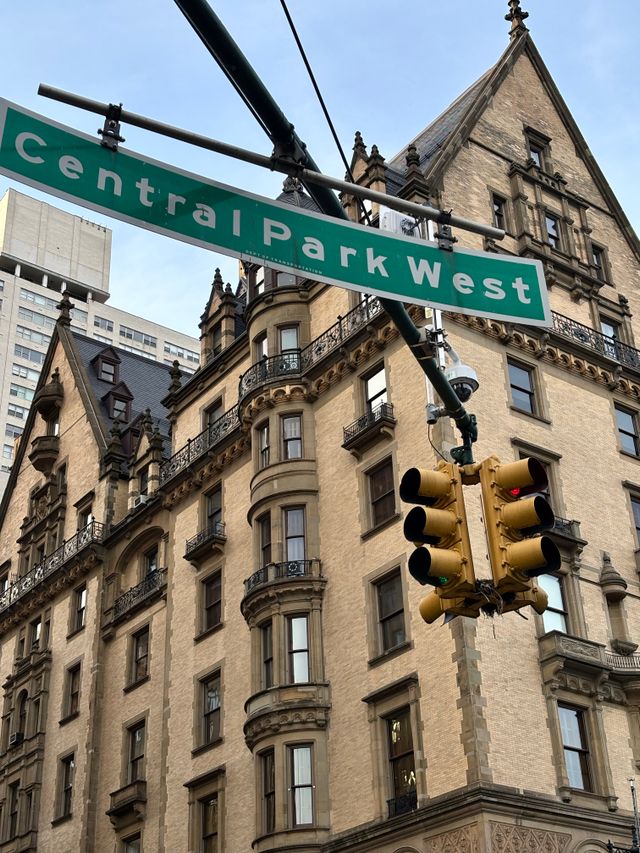 Pre-war apartment renovations in New York require a thoughtful balance between preserving timeless architectural details and incorporating modern conveniences that support today’s lifestyles. From elegant Upper West Side co-ops to classic Brooklyn brownstones and historic Manhattan residences, pre-war apartments possess craftsmanship and character that simply cannot be replicated in new construction. A successful renovation enhances these unique features while updating the home for improved comfort, efficiency, and long-term value.
Many buyers specifically seek out pre-war apartments because of their architectural beauty, solid construction, and distinctive design elements. High ceilings, oversized windows, hardwood floors, decorative moldings, and generous room proportions create a sense of elegance that continues to attract homeowners throughout New York City.
Common features found in pre-war apartments include:
Rather than replacing these elements, many homeowners choose to restore them while modernizing the surrounding space.
Every pre-war apartment has its own history and construction methods. Before any demolition starts, a comprehensive evaluation helps identify opportunities as well as potential challenges hidden behind walls and ceilings.
A thorough assessment should include:
Understanding the existing condition of the apartment allows the renovation team to plan accurately and minimize unexpected issues during construction.
The defining character of a pre-war apartment often lies in its original craftsmanship. Whenever possible, restoration should take priority over replacement.
Popular preservation strategies include:
These details create continuity throughout the apartment while maintaining its historical authenticity.
Original kitchens in many pre-war apartments were designed for another era and often lack storage, counter space, and efficient layouts. A carefully planned kitchen renovation can dramatically improve functionality while respecting the apartment’s overall aesthetic.
Popular kitchen improvements include:
The result is a kitchen that feels modern while remaining appropriate for the home’s historic character.
Bathrooms are another area where thoughtful modernization can significantly improve everyday comfort. Many original bathrooms have outdated plumbing, limited storage, and inefficient layouts.
Luxury upgrades that work well in pre-war apartments include:
These improvements enhance functionality while complementing the apartment’s architectural heritage.
Older apartments often benefit from energy-efficient upgrades that improve comfort and reduce operating costs. Fortunately, many improvements can be made discreetly without altering the home’s historic appearance.
Energy-conscious improvements include:
These upgrades make the apartment more comfortable while preserving its original charm.
Today’s homeowners expect technology to be integrated throughout their homes, even in historic apartments. Smart home features can be installed discreetly so they don’t interfere with original architectural details.
Popular technology upgrades include:
These features provide convenience while maintaining the apartment’s timeless appearance.
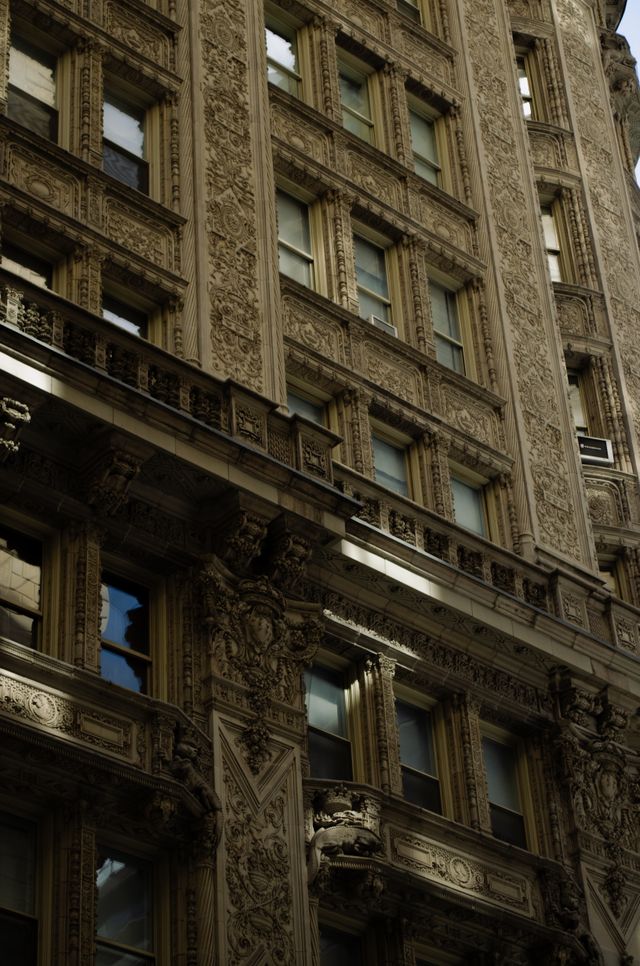 Many pre-war apartments are located in co-op buildings with strict renovation procedures, while others may fall within designated historic districts. These projects often require permits, board approvals, and careful coordination throughout construction.
An experienced contractor can:
Understanding these requirements before construction begins helps avoid unnecessary delays and keeps the renovation moving efficiently.
Pre-war apartment renovations require specialized knowledge that goes beyond standard remodeling. Every decision—from demolition methods to finish selections—should respect the home’s original construction while incorporating today’s best building practices.
An experienced renovation contractor understands how to preserve architectural character while delivering modern performance, ensuring your investment adds lasting beauty, functionality, and value to your home.
Your pre-war apartment deserves a renovation that celebrates its architectural heritage while meeting the demands of modern living. Brener Construction Inc. specializes in thoughtfully renovating New York City’s historic apartments, combining expert craftsmanship with innovative design solutions to create timeless homes that honor the past and embrace the future.
BRENER CONSTRUCTION INC.
Tel: 646-455-3321
Email: info@brenerconstruction.com