SERVING THE GREATER NEW YORK CITY AREA
CALL US TODAY: 646.455.3321

Renovating pre-war apartments in NYC involves unique renovation challenges that require careful planning, expert execution, and a deep appreciation of architectural history. These buildings—typically constructed before 1940—feature timeless details like high ceilings, plaster walls, and original moldings, but also come with outdated systems, hidden damage, and complex regulatory requirements. For homeowners seeking to modernize while preserving charm, understanding these issues upfront is key.
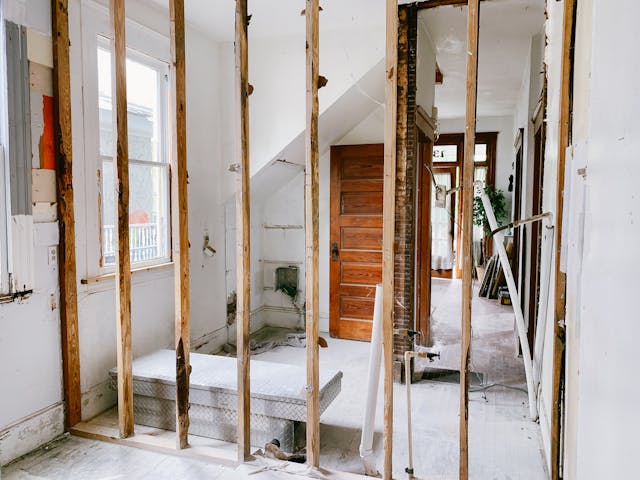
One of the most common challenges in pre-war renovations is replacing old infrastructure. These buildings often have original plumbing made of galvanized steel or cast iron, which can corrode over time and lead to leaks or low water pressure. Electrical systems may be insufficient for modern usage and not up to code.
To address this:
Many pre-war apartments are located in co-op buildings or condominiums with strict renovation guidelines. Boards often require detailed plans, contractor insurance, and Department of Buildings (DOB) permits before approving any work.
To stay compliant:
Architectural elements like crown molding, herringbone wood floors, and original fireplace mantels are what make pre-war homes so desirable. However, preserving or replicating these details while updating the layout or systems can be labor-intensive.
To protect these details:
Older buildings may contain hazardous materials like asbestos insulation or lead-based paint, which pose health risks and are tightly regulated in NYC.
To manage these safely:
Pre-war layouts can be quirky: long hallways, tiny kitchens, and compartmentalized rooms that don’t suit today’s preference for open living.
To modernize the floor plan:
Pre-war renovation projects are not ideal for DIY or inexperienced teams. Hiring a knowledgeable NYC contractor with a proven track record in historic renovations ensures that your vision is executed properly, within legal limits, and with minimal disruption to the building and neighbors.
While renovating a pre-war apartment in New York City comes with challenges, it also offers the opportunity to create a home that’s rich in history yet fully modern. With the right team, detailed planning, and respect for the building’s character, you can bring your space into the 21st century without losing its soul.
BRENER CONSTRUCTION INC.
Tel: 646-455-3321
Email: info@brenerconstruction.com